Beyond
Tortosa to Valderrobres: A Two-Night Matarraña Road Trip
Cross from the Terres de l’Ebre into Aragón by road, then build two nights in Valderrobres around one castle visit and one chosen side trip.
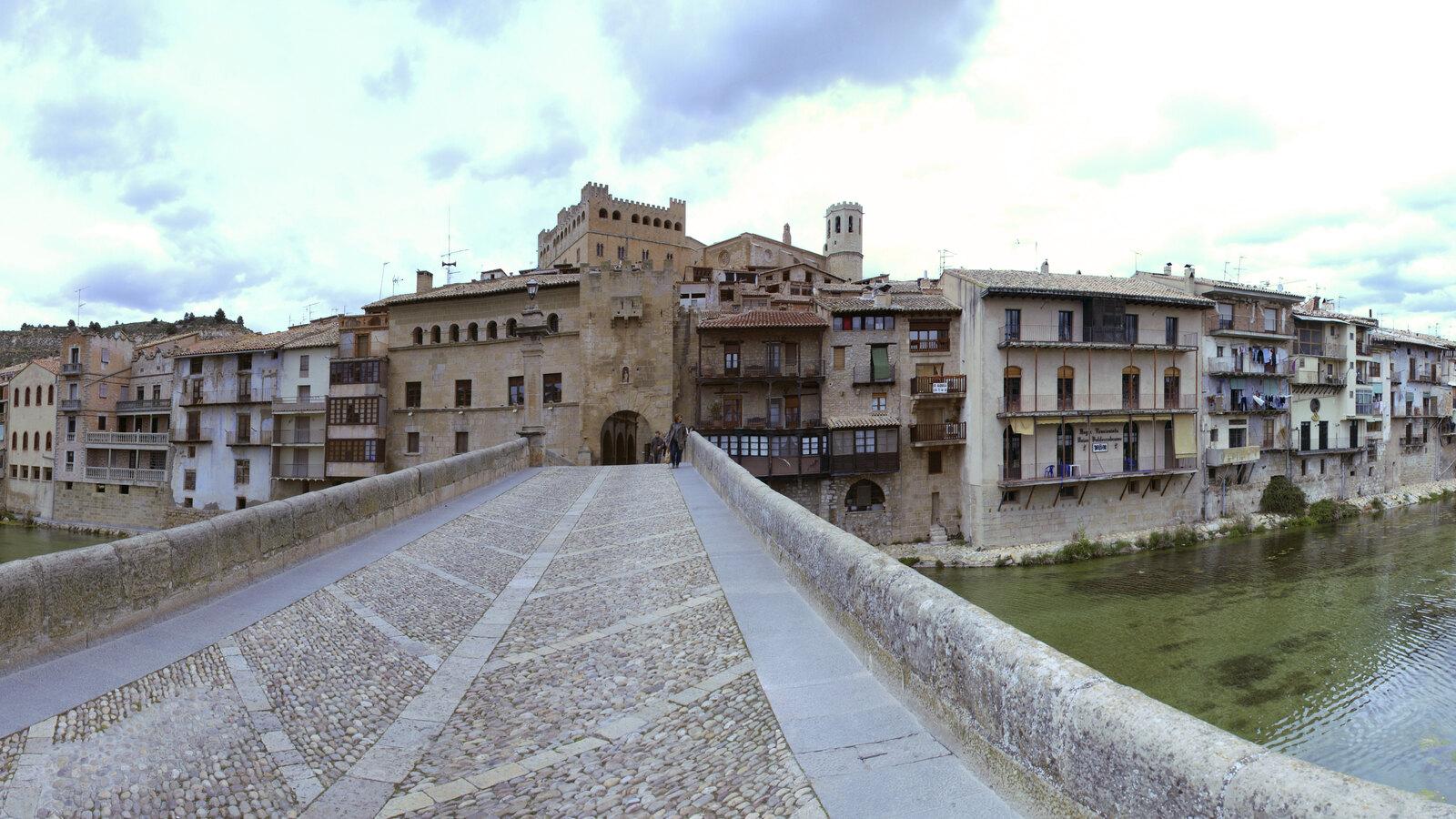
The useful two-night Matarraña road trip does not try to collect every stone village and river gorge. Drive from Tortosa through Horta de Sant Joan, cross from Catalonia into Aragón once, and sleep both nights in Valderrobres. On the middle day, choose either Calaceite for another historic town or the Parrizal for a reserved nature walk. Doing both turns a short extension into car-door tourism.
The border is close, but it is not invisible. Road numbers change, tourism systems change and place names may appear in Spanish or Catalan: Valderrobres is also Vall-de-roures, Matarraña is Matarranya, and Beceite is Beseit. Treat those as local realities rather than navigational errors.
The compact route crosses the border after Horta
| Day | Route | What earns the stop |
|---|---|---|
| Day 1 | Tortosa → C-12/T-333 → Horta de Sant Joan → T-330/A-231 → Valderrobres | Horta streets or Centre Picasso; Valderrobres bridge and old town at evening scale |
| Day 2A | Valderrobres Castle → Calaceite → Valderrobres | Best cultural version; one monument morning and one village afternoon |
| Day 2B | Valderrobres → Beceite → reserved Parrizal route → Valderrobres | Best nature version; castle moves to day 3 |
| Day 3 | Castle if still unvisited; direct return to Tortosa | Protect checkout and the return drive rather than adding another village |
The arrival route via Horta is about 58 kilometres and takes roughly 1 hour 15 minutes without a stop. The full two-night itinerary usually totals 170–230 kilometres, depending on the day-two branch. Allow €85–€170 per room per night, €35–€65 per person per day for meals, €20–€40 for fuel, and €8 per adult for the current castle–church–museum ticket. Add the live Parrizal charge if choosing the nature version.
Reserve accommodation first and ask for the exact parking arrangement. Reserve the Parrizal before travel if it controls day two. The Valderrobres castle can usually be bought at the ticket office, but its date-specific calendar still needs checking.
Tortosa to Horta follows C-12 and the slower T-333
Leave Tortosa northbound on the C-12, then follow the signed route toward Prat de Comte and Horta de Sant Joan on the T-333. The road narrows and bends as it leaves the Ebro corridor. This is where a nominally short distance begins taking real time; do not plan the same pace as a motorway.
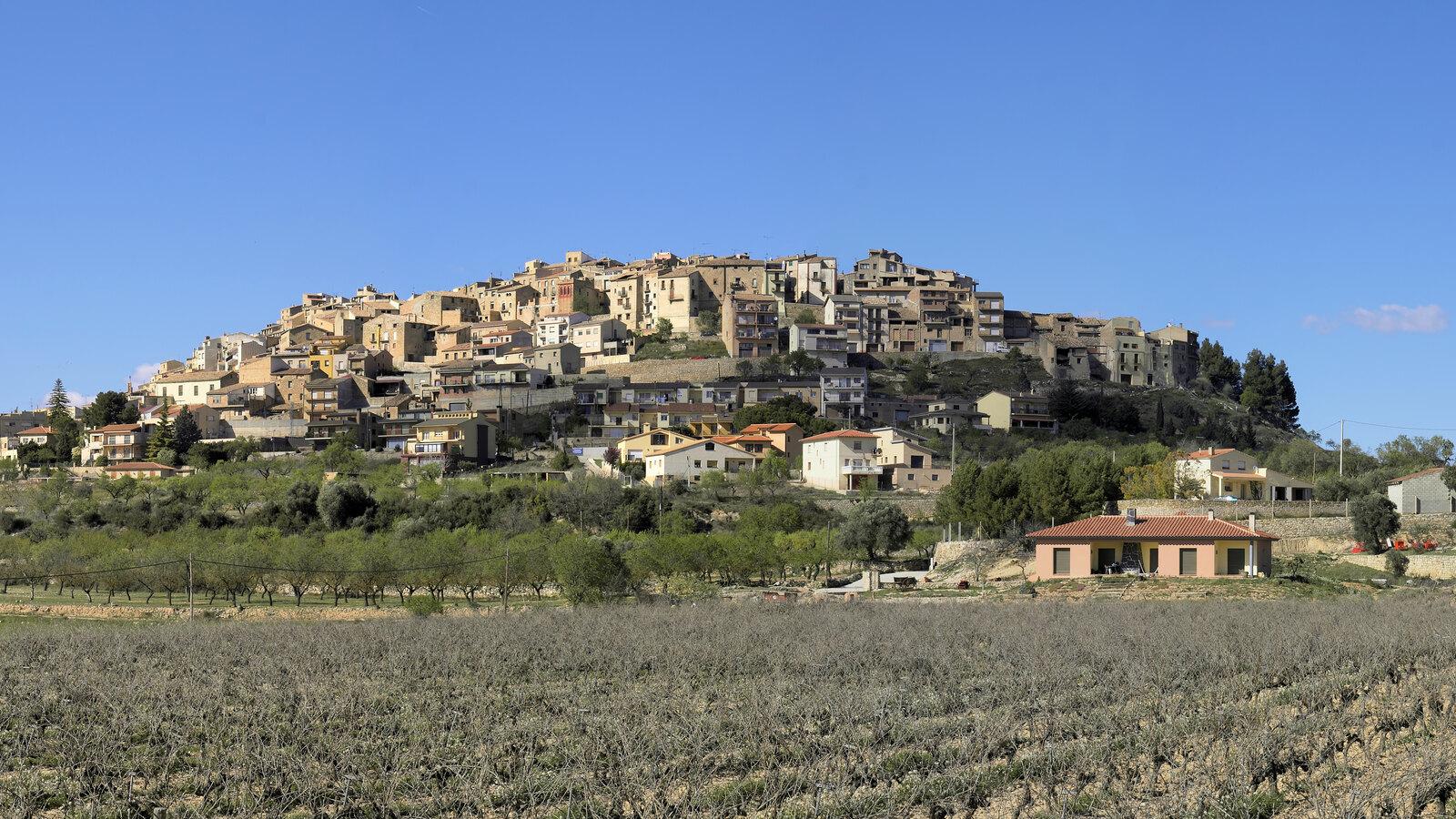
Use Horta as the single Catalan stop. Park outside the tight historic core, walk to the central streets and decide whether the Centre Picasso fits the day. The centre is not a conventional original-work museum: it uses facsimiles, photographs and documents to explain Picasso’s two stays and his relationship with the village.
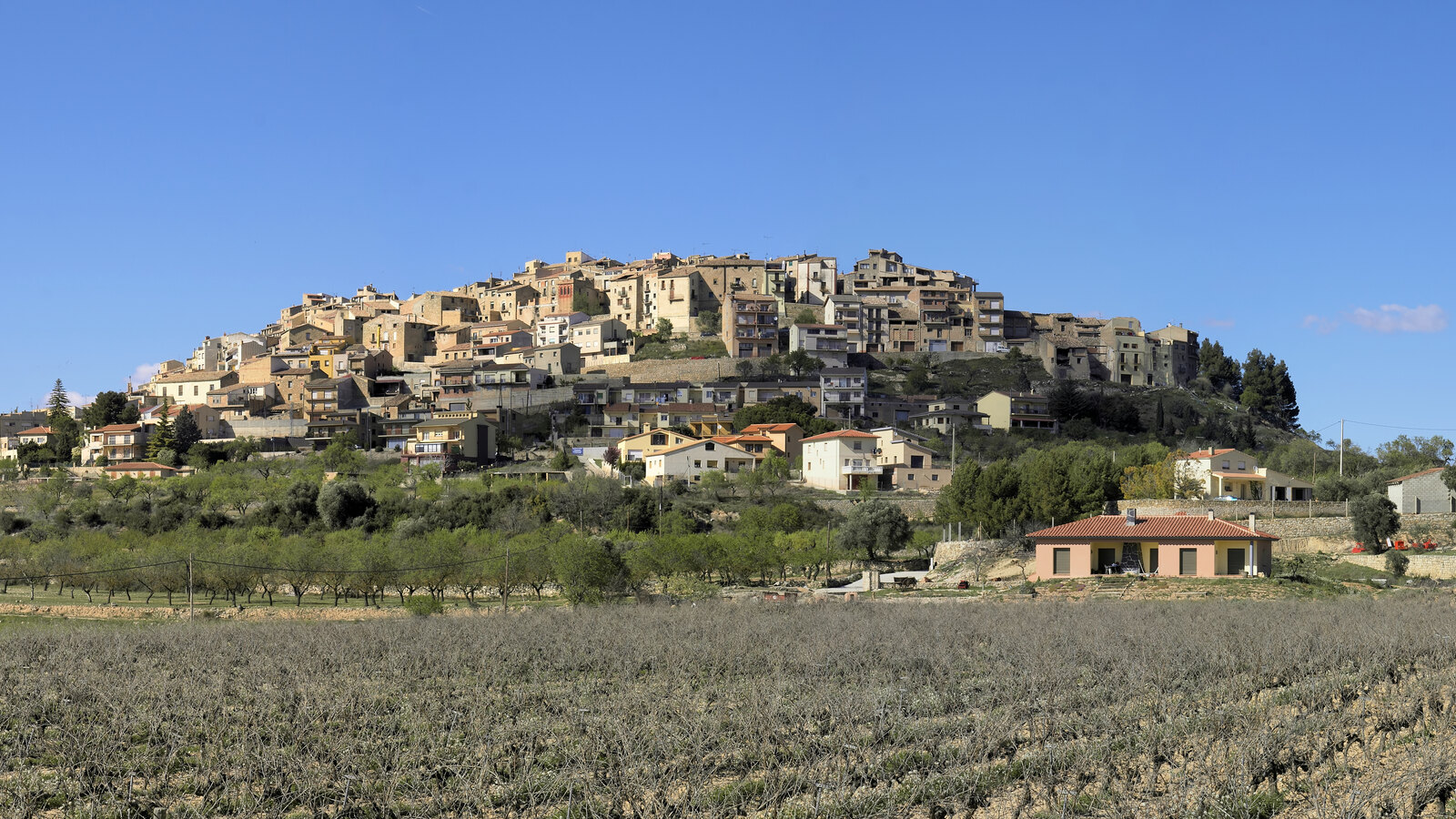
The official Centre Picasso 2026 visitor page publishes a date-by-date calendar rather than one dependable weekly pattern. Check it before departure. If it is closed, keep Horta as a 45-minute street, square and landscape stop; do not wait several hours merely to validate the route with an interior visit.
From Horta, take the T-330 west toward Arnes. Across the autonomous-community boundary, the same corridor becomes the A-231. That road-name change is the practical handoff into Aragón. Valderrobres is roughly another 20 kilometres from Horta.
Enter Valderrobres on foot over the stone bridge
Check in before driving toward the steep upper lanes. A lower-town hotel or rural property with explicit guest parking is easier than following a navigation pin into the medieval core. Leave the car, then approach the old town across the stone bridge and through the Portal de San Roque.
Compare two-night stays in Valderrobres, then confirm whether parking is at the property, by the lower town or up a restricted lane before accepting a medieval-centre address.
The comarca’s official historic-centre route continues from the bridge through the square and calles Mayor and Huesca toward Santa María la Mayor and the castle. Follow that sequence on arrival, but stop outside the monuments if their final admission is close. The bridge, riverside façades and uphill streets are enough for the first evening.
The climb is short and steep. Cobble, steps and gradients matter for wheelchairs, pushchairs and anyone arriving in summer heat. A room near the bridge reduces the climb at dinner; a room on the upper slope may reduce the morning approach to the castle but complicate luggage.
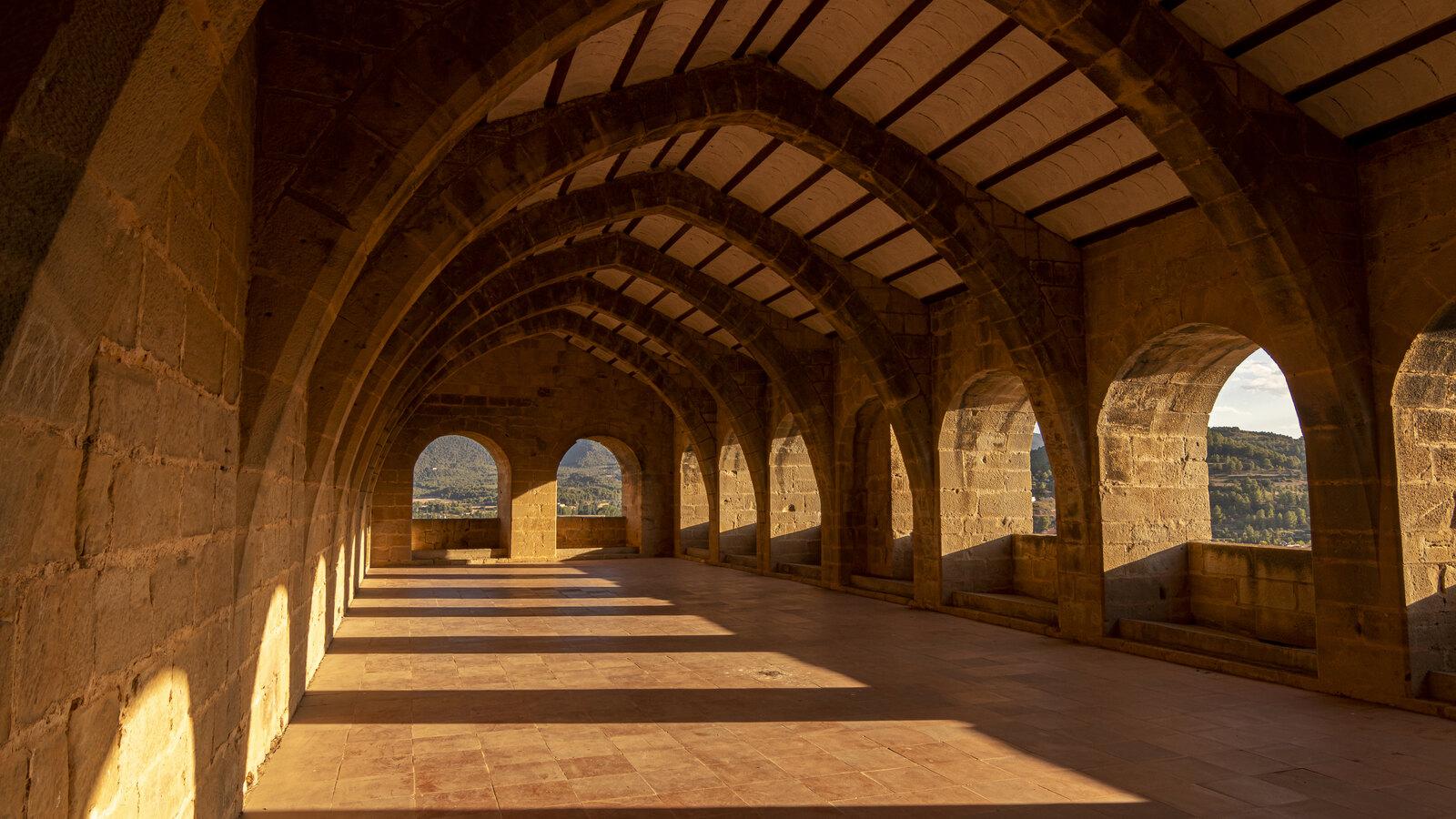
Valderrobres Castle needs the cooler half of a day
In the cultural version, visit the castle after opening on day two. In the nature version, keep it for day three before returning to Tortosa. Do not squeeze it into the final hour of arrival day.
The current castle practical page lists €8 adult admission for the castle, church and museums. A self-guided visit can use the interpretation panels or a mobile audioguide; the audio runs about 45 minutes, while the full movement through the complex takes longer. Guided castle-and-church visits are about an hour and are sold at the ticket office rather than reserved online for individuals.
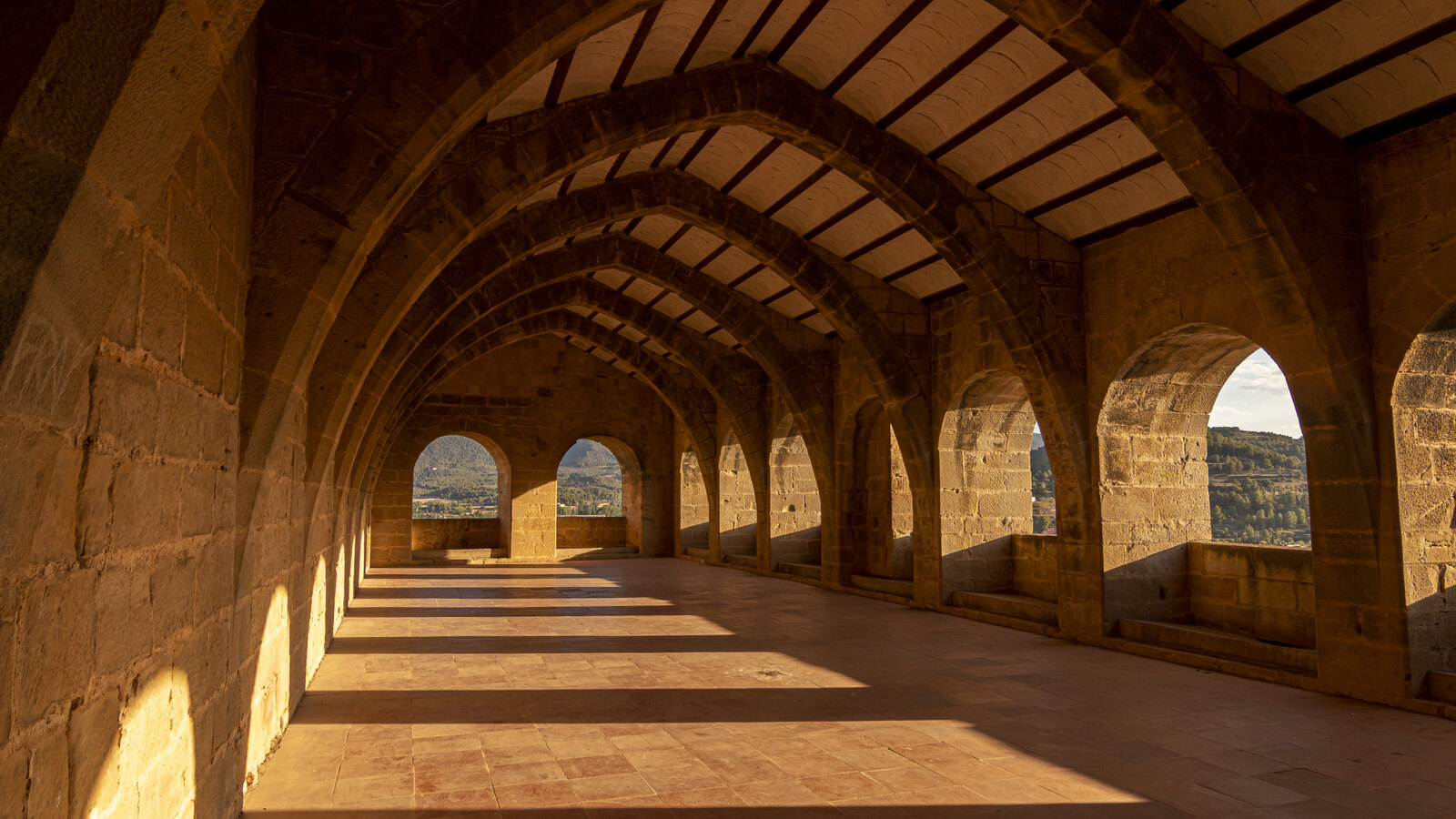
Check the official 2026 opening calendar for the exact day. The site uses different split, extended, continuous and morning-only schedules, and ticket sales close before the monument. A generic “open daily” listing is not adequate planning.
The public car park behind the castle and church is free for cars, but that does not make the monument accessible. The castle, church and camera-obscura tower retain stairs and are not accessible for people with reduced mobility; the museums are. A mixed-mobility group can visit the museum and upper exterior area without pretending everyone can complete the same interior route.
Calaceite makes the cultural day coherent
Calaceite lies about 25–30 minutes north-west of Valderrobres. Go after the castle and lunch, not before. Its Portal d’Orta, Portal de Maella, Plaza de España, town hall and baroque parish church form a compact walking circuit; the official Calaceite guide identifies the named gateways and civic buildings.
Allow two hours on foot and leave room for a café or shop. This is a town visit, not a hunt for open interiors: small museums and churches may keep narrow or seasonal hours. If the day is very hot, remain in Valderrobres through the early afternoon and reach Calaceite later rather than climbing exposed streets at 15:00.
Return by the same road before dinner. La Fresneda and Cretas are plausible on a longer trip, but they are not free additions to this one. The value of Calaceite is that it creates one deliberate contrast with Valderrobres, not a chain of similar façades seen through a windscreen.
The Parrizal replaces Calaceite; it does not precede it
Choose Beceite and the Parrizal only if walking beside the upper Matarraña is the main reason for the second day. The official Parrizal booking site describes a 7.5-kilometre out-and-back route taking about 2.5 hours. That figure excludes the drive from Valderrobres, the narrow access from Beceite, parking control and pauses.
The access conditions are stricter than a casual riverside walk. The official route rules require visitors to use the reserved parking period, describe uneven ground, roots, steps, narrow sections and wooden walkways, and state that the route is not accessible to people with reduced mobility. Dogs are prohibited. Fire risk or emergency conditions can limit or close access.
Carry water and suitable shoes; do not plan to swim. If the route closes, do not chase another gorge along an unfamiliar road. Return to Valderrobres for the castle if its session remains open, or use Calaceite as the road-based fallback. Keep the canceled nature time as time rather than filling every hour.
Day three should point back to Tortosa
If the castle remains unvisited, take its first practical session, collect the car and retrace the A-231/T-330 past Arnes and Horta. If the castle was completed on day two, use the morning for breakfast, the riverside and one last crossing of the bridge.
Do not add a second Horta museum attempt unless its opening time aligns cleanly with the return. The T-333 and C-12 still demand an attentive driver, and late checkout does not shorten them.
This compact route works because the border crossing has a clear purpose: Horta explains the final Catalan landscape, Valderrobres becomes a real two-night base in Aragón, and one chosen side trip reveals either Matarraña’s built heritage or its river terrain. The places left out are what keep the journey usable.
Related guides
- Barcelona to Avignon by Train: A Two-Night Extension
Build a worthwhile two-night Avignon rail extension with protected connections, the right station and one full day inside the walls.
- Barcelona to Marseille by Train: Are Two Nights Enough?
Choose two or three nights in Marseille by testing the real rail windows against the port, Panier, Mucem and coast you want to see.
- Lleida to Loarre and Huesca: A Two-Night Road Extension
Drive from Lleida to Huesca and Loarre with the castle opening window, rural approach, parking and a realistic two-night base built in.
Are you in the know?
Receive new articles, local updates, and occasional offers from selected partners. We never share your email address. Unsubscribe at any time.
By subscribing you agree to our privacy policy.