Beyond
Lleida to Loarre and Huesca: A Two-Night Road Extension
Drive from Lleida to Huesca and Loarre with the castle opening window, rural approach, parking and a realistic two-night base built in.
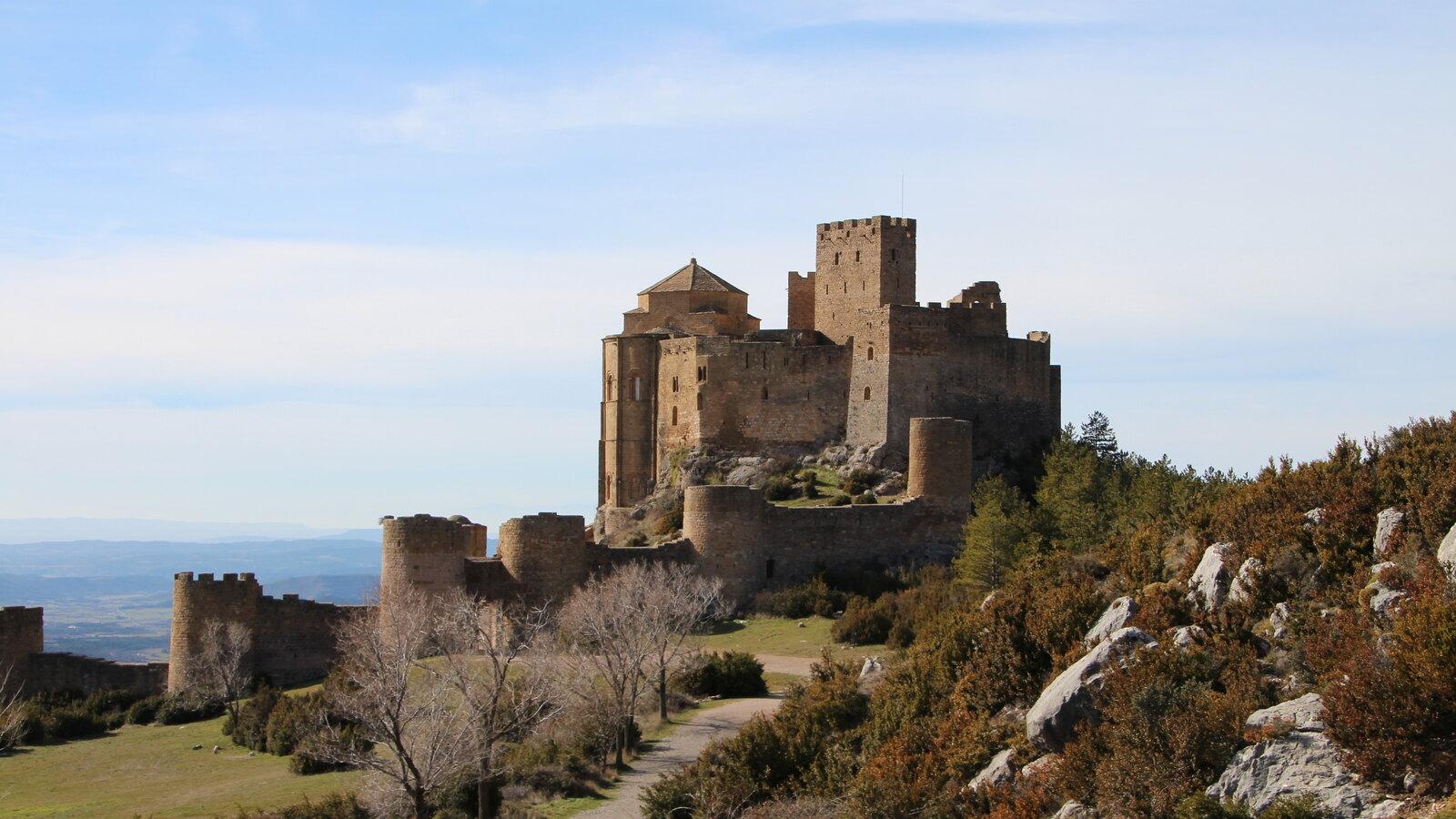
The cleanest two-night extension from Lleida uses Huesca for both nights and gives Loarre Castle the middle morning. Moving hotels to sleep beneath the castle sounds atmospheric, but it rarely improves a short route: Huesca provides the easier first arrival, evening food and a second chance if wind, ice or a closure changes the castle visit.
This is a road trip, not a disguised rail itinerary. Lleida and Huesca are connected by train, but the final approach to Loarre is rural and the castle stands well above the village. A car turns the whole extension into one simple westward journey; without one, arrange a tour or taxi from Huesca before booking the room.
The two nights fit around one castle morning
| Day | Route | Useful time |
|---|---|---|
| Day 1 | Lleida → A-22 → Huesca; park and walk the old centre | About 1 hr 20 min driving, then an afternoon and evening on foot |
| Day 2 | Huesca → A-132/A-1206 → Loarre Castle; optional Ayerbe lunch; return to Huesca | About 70–90 min total driving without the Ayerbe detour; 2–3 hours at the castle |
| Day 3 | San Pedro el Viejo or breakfast in Plaza López Allué; Huesca → Lleida | Keep the final city visit short and leave before fatigue governs the drive |
Allow roughly 230–270 kilometres for the complete trip depending on city parking and the Ayerbe detour. The A-22 carries most of the Lleida–Huesca leg; after Huesca, the road becomes slower and more local. Download the route before leaving the city, especially in winter.
For two people sharing a room, an honest planning envelope is €90–€170 a night for accommodation, €35–€65 per person per day for meals, and €35–€60 total for fuel if starting with a full tank in Lleida. Add the rental rate if needed. Castle parking is free; city parking depends on the hotel or garage. Admission currently starts at €6.80 for an adult self-guided visit and €8.80 with the complete guided visit.
Drive the A-22 first and park Huesca once
Leave Lleida after breakfast or by late morning. The A-22 makes the regional transition unusually simple: the flat approach across the plain gradually gives way to the Sierra de Guara and pre-Pyrenean horizon. There is no reason to turn this first leg into a chain of stops.
In Huesca, choose accommodation within walking distance of Plaza López Allué, the cathedral and San Pedro el Viejo, but confirm parking before paying. A property inside the tightest central streets can be convenient on foot and awkward on arrival. The useful setup is a hotel garage or a named public car park reached without entering restricted lanes.
Compare Huesca rooms for both nights, then confirm the garage entrance, vehicle-height limit and walking route to Plaza López Allué directly with the property.
Once parked, leave the car. Huesca’s municipal tourism portal groups the cathedral, San Pedro el Viejo, museums and central squares within a compact visitor area. The point of the first afternoon is to change scale after the motorway, not to drive between monuments.
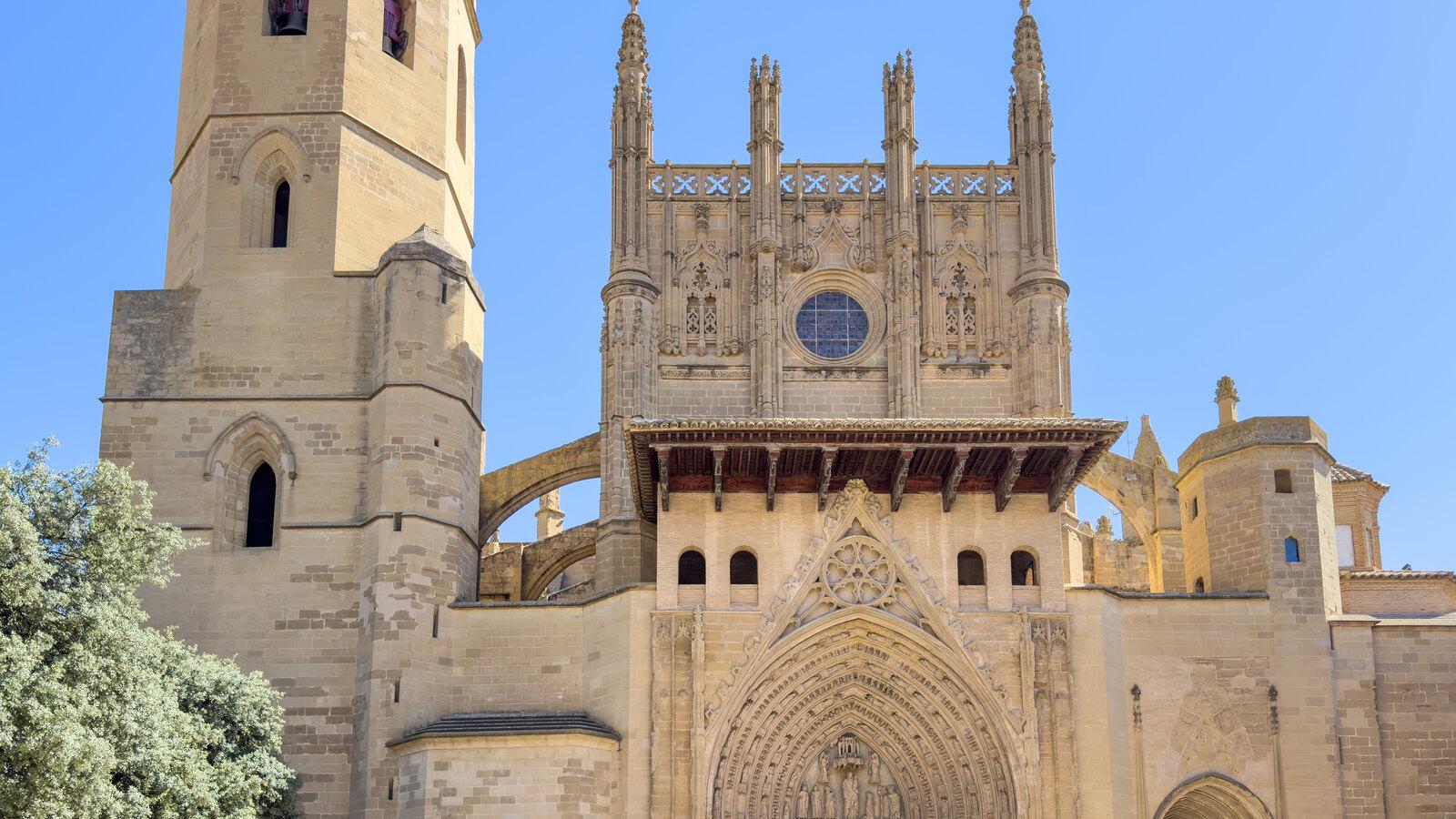
Huesca Cathedral controls the first afternoon
Walk from Plaza López Allué toward the cathedral and Museo Diocesano. The current cathedral and museum visitor information lists a €6 general ticket for the cathedral, museum and bell tower, or €8 for a combined ticket that also includes San Pedro el Viejo and remains valid for seven days. Opening periods change with the season, and religious ceremonies can alter access.
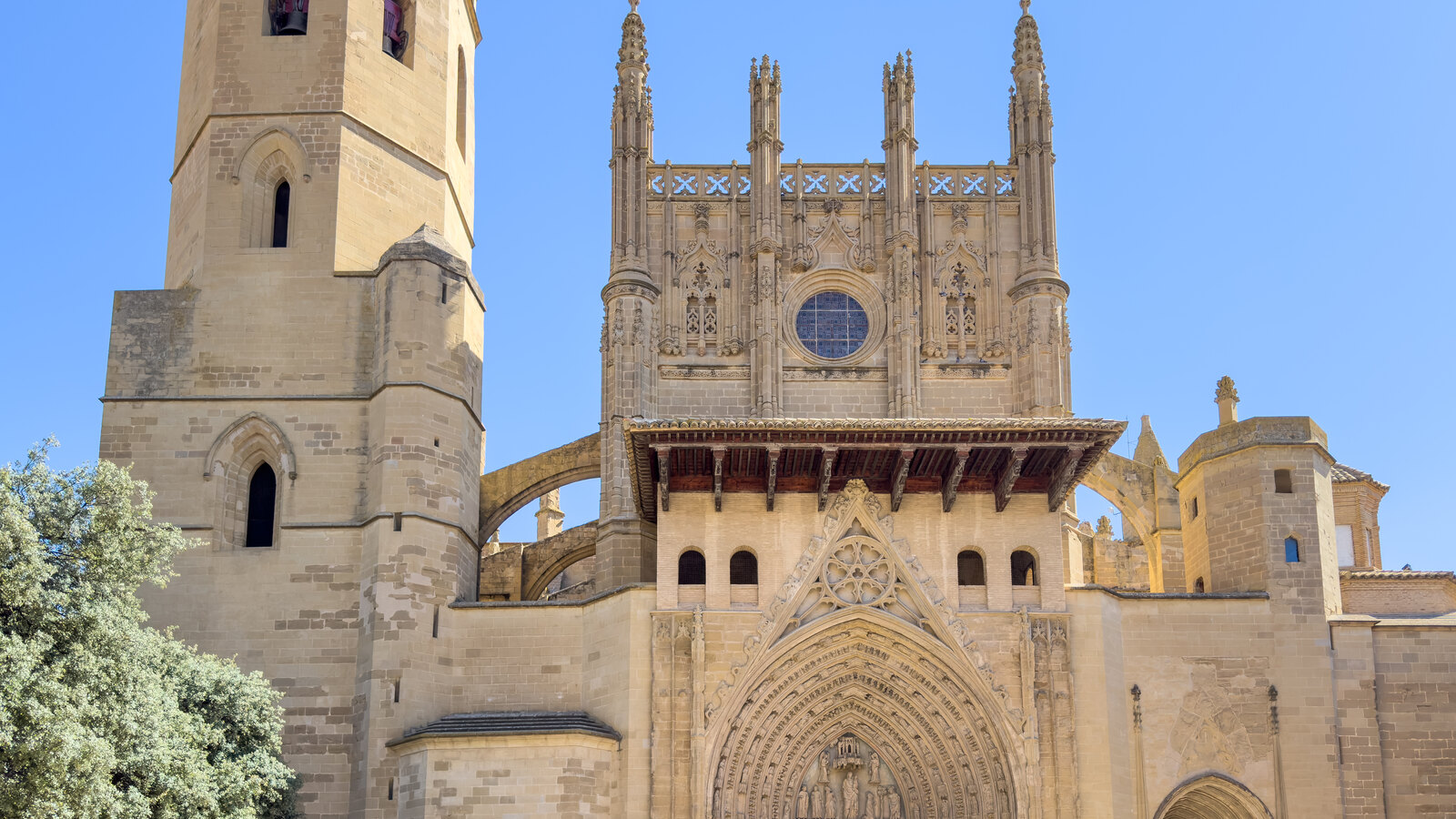
Allow 75–90 minutes if visiting the museum rooms and tower rather than only entering the church. The alabaster high altarpiece, cloister spaces and diocesan collection give the stop substance; the tower adds stairs and should not be treated as automatic for every traveler.
If the cathedral is closing when you arrive, do not rush the ticketed route. Use the Coso, Plaza López Allué and Parque Miguel Servet, then return on day three. The combined ticket’s multi-day validity makes that recovery possible. Dinner belongs in the centre, where Huesca’s small-bar culture works better than driving out again.
Loarre comes first on day two
Leave Huesca with enough time to reach the castle before or close to opening. The drive is roughly 35–45 minutes in normal conditions: head north-west toward Ayerbe, then use the signed local approach through the Loarre area. The final kilometres climb above the village on a narrower, exposed road. It is easy driving in dry daylight, but it is not another motorway segment.
The official Loarre Castle site currently publishes three seasonal patterns:
- 10:00–19:00 from 1 March to 15 June and 16 September to 31 October;
- 10:00–20:00 from 16 June to 15 September;
- 11:00–17:30 from 1 November to the end of February, with Monday closure except holidays and the closure moving to Tuesday after a Monday holiday.
The castle also closes on 25 December and 1 January and has shorter hours on 24 and 31 December. Verify the exact date before leaving Huesca. An old map listing “open daily” is not enough in winter.
The castle road ends at a real visitor centre, not the village
Do not park in Loarre village and assume the monument is a short stroll. Continue to the signed castle car park beside the visitor centre. The official services page confirms that parking for cars and buses is paved, close to reception and free.
From there, the fortress still demands uneven ground and many interior steps. The defensive route, church, crypt and towers make sense because they occupy a steep rock outcrop; that same structure prevents a fully step-free visit. The ticketing FAQ says wheelchairs cannot complete the interior route and advises a baby carrier rather than a pushchair.
For a first visit, reserve two hours inside and another 30–45 minutes for the walls, view over the Hoya de Huesca and visitor-centre pause. The official visit and ticket page currently lists €6.80 general self-guided admission and €8.80 for the complete guided visit. Guided visits last about an hour; advance arrangement is wise if language or a particular time matters.
If climbing is unsuitable, the fallback is not to force the towers. Use the visitor centre, exterior paths and the broad view from the accessible parking level, then return toward Huesca. A companion can complete the interior while the other visitor waits at the staffed facilities, but agree on a time and meeting point because stone interiors can weaken phone signal.
Ayerbe is optional; a second mountain objective is not
After Loarre, choose lunch at the castle facilities, in Loarre village or in Ayerbe, about a short drive west. Ayerbe makes sense when the group wants a town stop and the driver remains fresh. It does not oblige you to continue to the Mallos de Riglos.
The Mallos are visually tempting, but adding their roads, viewpoints and a walk changes the day from a castle visit into a wider Hoya excursion. In a two-night plan, that usually steals the late afternoon that could be spent slowly in Huesca. Add the Mallos only with a third night or a deliberately early castle visit and no city sights left unfinished.
In poor visibility, skip Ayerbe as well. The castle interior remains worthwhile in cloud, but the exposed approach and viewpoint lose much of their value. Return to Huesca before dusk rather than waiting on a hillside for weather that may not clear.
San Pedro el Viejo belongs to the morning you still have
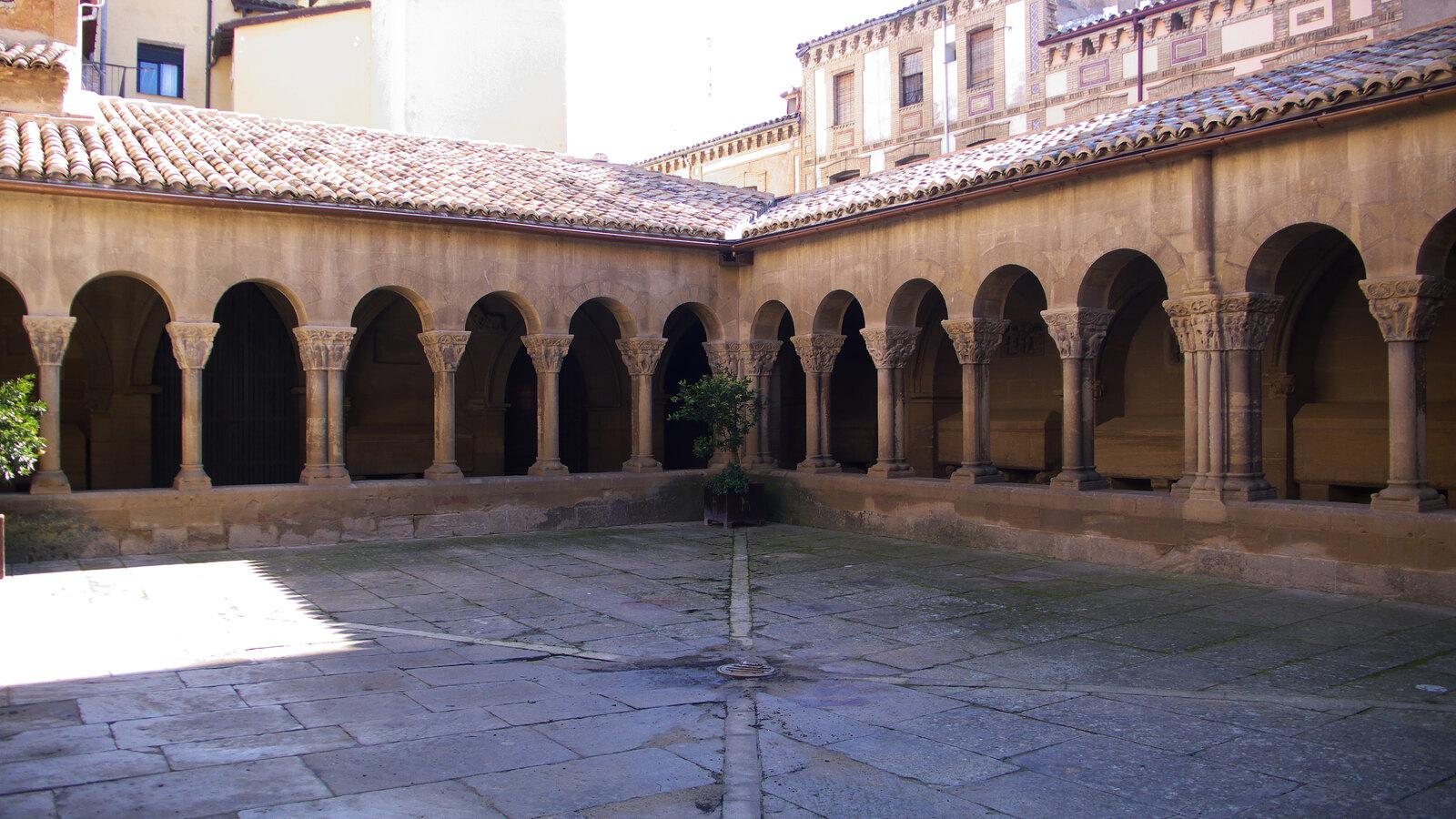
If the cathedral occupied day one, use the final morning for San Pedro el Viejo. The church and compact Romanesque cloister provide a quieter counterpoint to Loarre’s military mass. They also keep the morning geographically disciplined: visit, return to the hotel, collect the car and leave.
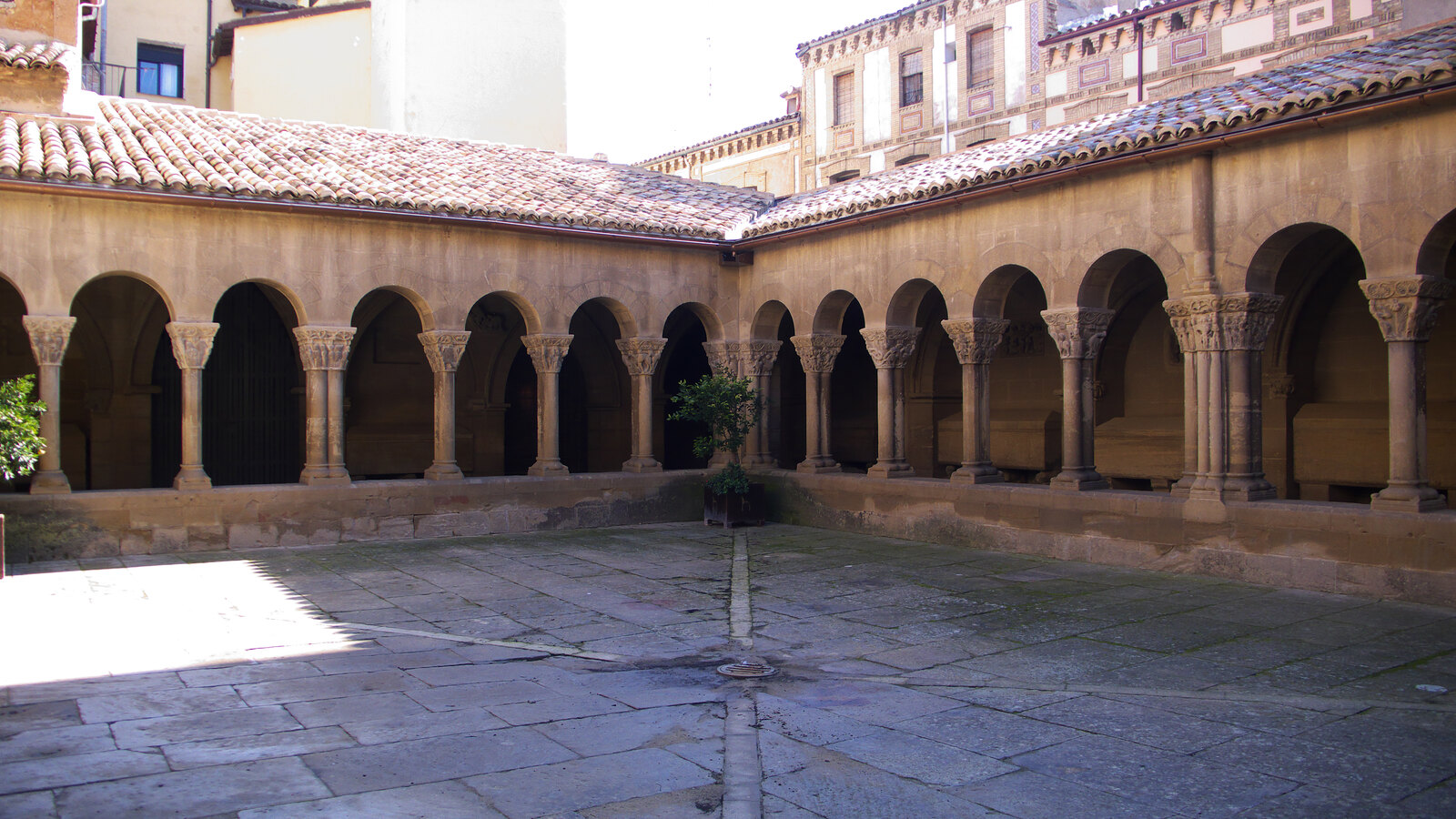
Check the current hours on the cathedral-museum site because San Pedro closes between morning and afternoon sessions and liturgical use can intervene. Do not plan the drive around a last admission only minutes before closure.
From Huesca, retrace the A-22 east to Lleida. If the castle was inaccessible on day two because of ice or severe wind, day three is a recovery window only when conditions and opening hours clearly improve; otherwise keep the exterior memory, use the city morning and return safely. The strength of this two-night route is not how many Aragón landmarks it gathers. It is that one urban base and one carefully timed rural drive let both Huesca and Loarre be seen at their proper pace.
Related guides
- Barcelona to Avignon by Train: A Two-Night Extension
Build a worthwhile two-night Avignon rail extension with protected connections, the right station and one full day inside the walls.
- Barcelona to Marseille by Train: Are Two Nights Enough?
Choose two or three nights in Marseille by testing the real rail windows against the port, Panier, Mucem and coast you want to see.
- Tortosa to Valderrobres: A Two-Night Matarraña Road Trip
Cross from the Terres de l’Ebre into Aragón by road, then build two nights in Valderrobres around one castle visit and one chosen side trip.
Are you in the know?
Receive new articles, local updates, and occasional offers from selected partners. We never share your email address. Unsubscribe at any time.
By subscribing you agree to our privacy policy.