Beyond
Barcelona to Valencia by Train: A Two-Night Extension
Extend Barcelona with two nights in Valencia by train, combining the old town, Central Market and Turia while keeping transfers manageable.
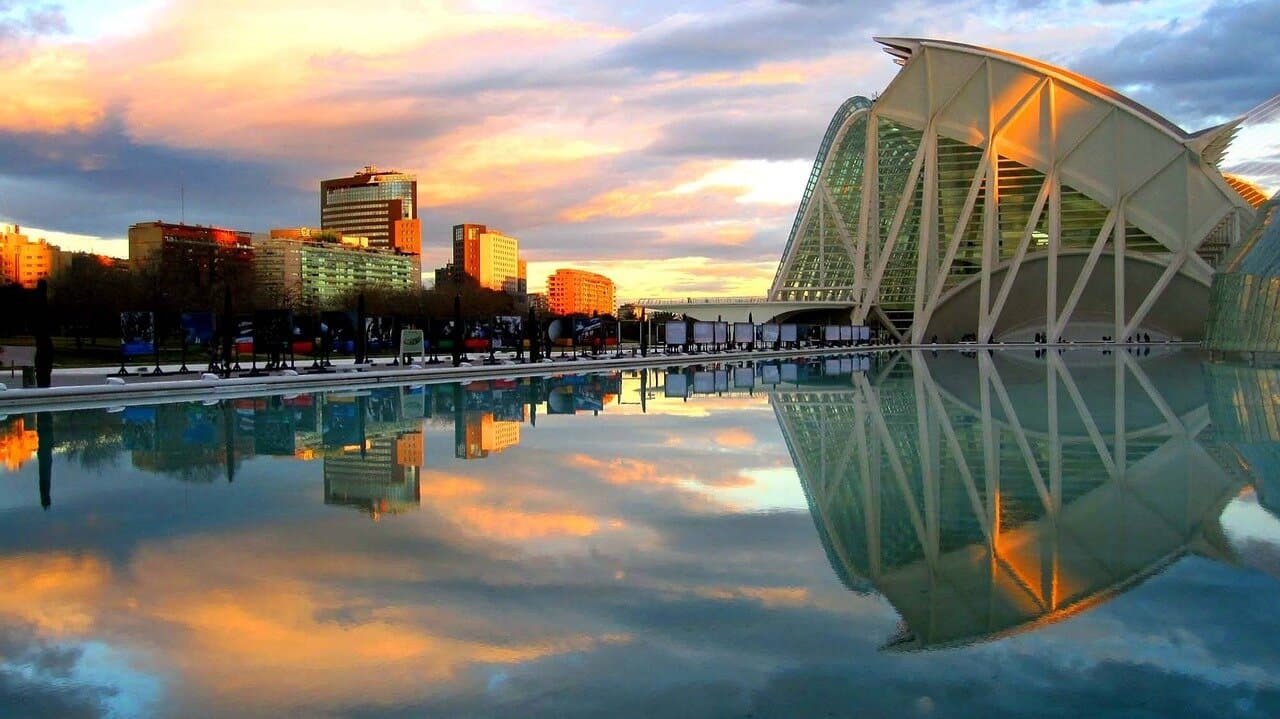
Valencia gets treated as a day trip from Barcelona, and it deserves better than that. The direct train makes it an easy extension, but the city is built around two things you cannot do properly between two train times: a market that closes at three, and a rice lunch that takes as long as it takes. Give it two nights and both fall into place.
You are also genuinely leaving Catalonia here. The Valencian Community runs its own buses and metro, sets its own holiday calendar, and keeps its own meal hours. None of your Barcelona travel products come with you.
Two-night route: Barcelona Sants → Valencia by direct train → a central hotel; first afternoon in the historic centre, a full day for the market and Turia, then an unhurried departure morning. Allow three to four hours for the train as a planning window, plus station time and the hotel transfer. For two adults, set aside €200–360 for two room nights, €140–220 for food and €30–70 for local travel and a couple of admissions, then add the actual rail fares.
Book the station, not just the train
Renfe's Barcelona–Valencia route page points to Euromed services from Barcelona Sants. Search your exact date, then read the arrival station printed on the train you select. Valencia has two important terminals — Joaquín Sorolla and Estació del Nord — a few hundred metres and one awkward luggage walk apart, and temporary operating arrangements can move a service between them. The route page names Sorolla; the dated ticket is what you plan the hotel transfer around.
Fares move with the departure and the conditions attached. Treat €35–90 per person each way as a search allowance rather than a price: busy dates and late booking climb past it easily. Compare change and refund terms, luggage rules and seating alongside the headline figure. If a flight out of Barcelona follows the return, either leave a large margin or sleep in Barcelona the night before rather than trusting one tight connection to hold.
Get to Sants 30–40 minutes ahead, earlier if you have booked assistance, and have ticket and identification out for boarding.
Compare Barcelona–Valencia trains for your two-night dates, reading the station names and change conditions on the fare you choose.
Stay where you will walk the same streets twice
For two nights, the historic centre or the inner Eixample is the right base. A beach hotel is a different holiday: lovely for a week, but it puts a tram or taxi ride between you and the market, the old town and most of this plan. Compare the exact address against your arrival station and against the places you will pass twice a day — breakfast and dinner, mainly.
From Estació del Nord, most central addresses are a short walk. From Joaquín Sorolla, allow either a longer walk or a transfer. With luggage or limited mobility, take a taxi or confirmed accessible transport instead of turning the first hour into a pavement slog. Ask about luggage storage before check-in, and arrange the same for departure day while you are at it.
Use €100–180 per room per night as a mid-range planning figure. Big events, weekends and room categories all push it around. On a noisy central street, a quieter rear-facing room is worth more to this particular itinerary than a decorative balcony you will use for four minutes.
Arrival afternoon: three squares and no monuments
Drop the bags and walk to Plaça de l'Ajuntament, then north through the old town to Plaça de la Reina and Plaça de la Verge. That is about three kilometres and two hours with stops, and it is deliberately light on interiors — the point is to learn the shape of the centre while the light is good, not to queue for anything. Pick one interior if its hours happen to suit you.
On that first loop, find tomorrow's breakfast and work out the simplest way back to the hotel. Leave the market alone; you want it open and working, not shuttered behind a pretty square.
Reserve dinner if a specific restaurant matters. A serious rice dish is better as tomorrow's lunch, when you can wait the twenty-odd minutes it takes to cook and eat it without watching the clock. Ask whether the rice requires a minimum of two portions and whether the price quoted is per person — both are normal here and both surprise visitors.
Market first, Turia after lunch
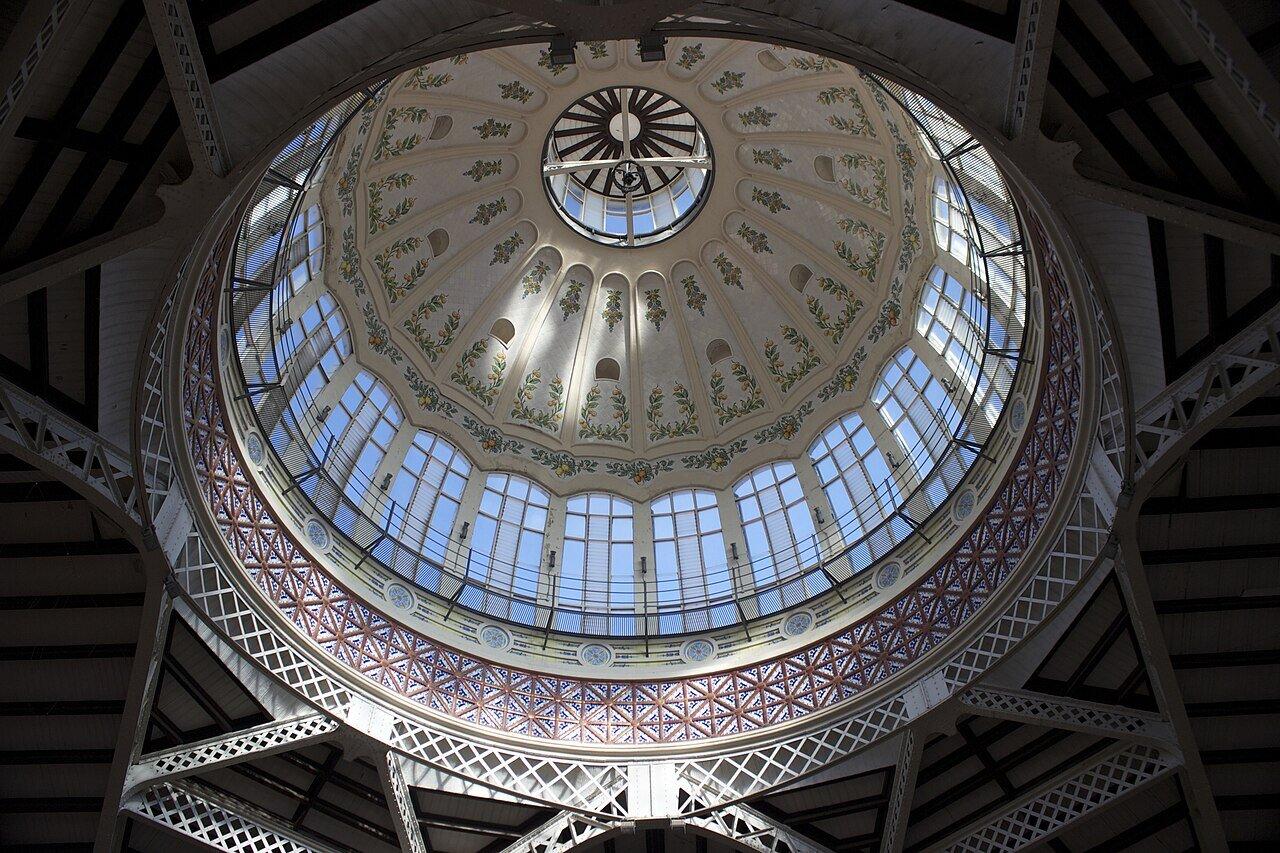
Start at the Central Market. Visit Valencia's market information lists Monday to Saturday from 07:30 to 15:00, closed Sundays and public holidays. If your full day is a Sunday, move the market to arrival or departure morning — the modernista hall, with its iron frame, tiled dome and stacked fish counters, is the attraction, and the square outside is no substitute for it.
Allow 45–60 minutes inside, keep the aisles clear while you browse, and buy something to eat later. The Lonja is directly opposite if its hours line up. Then stop for a seated rice lunch before you go anywhere near the gardens.
In the afternoon, join the Turia gardens near Pont del Real and walk southeast towards the City of Arts and Sciences — around 60–90 minutes plus stops. You are walking in the bed of a river that was diverted out of the city after the 1957 flood, which is why you pass under bridges rather than over them. The full length runs far beyond what a two-night stay needs; stop when you have had enough.
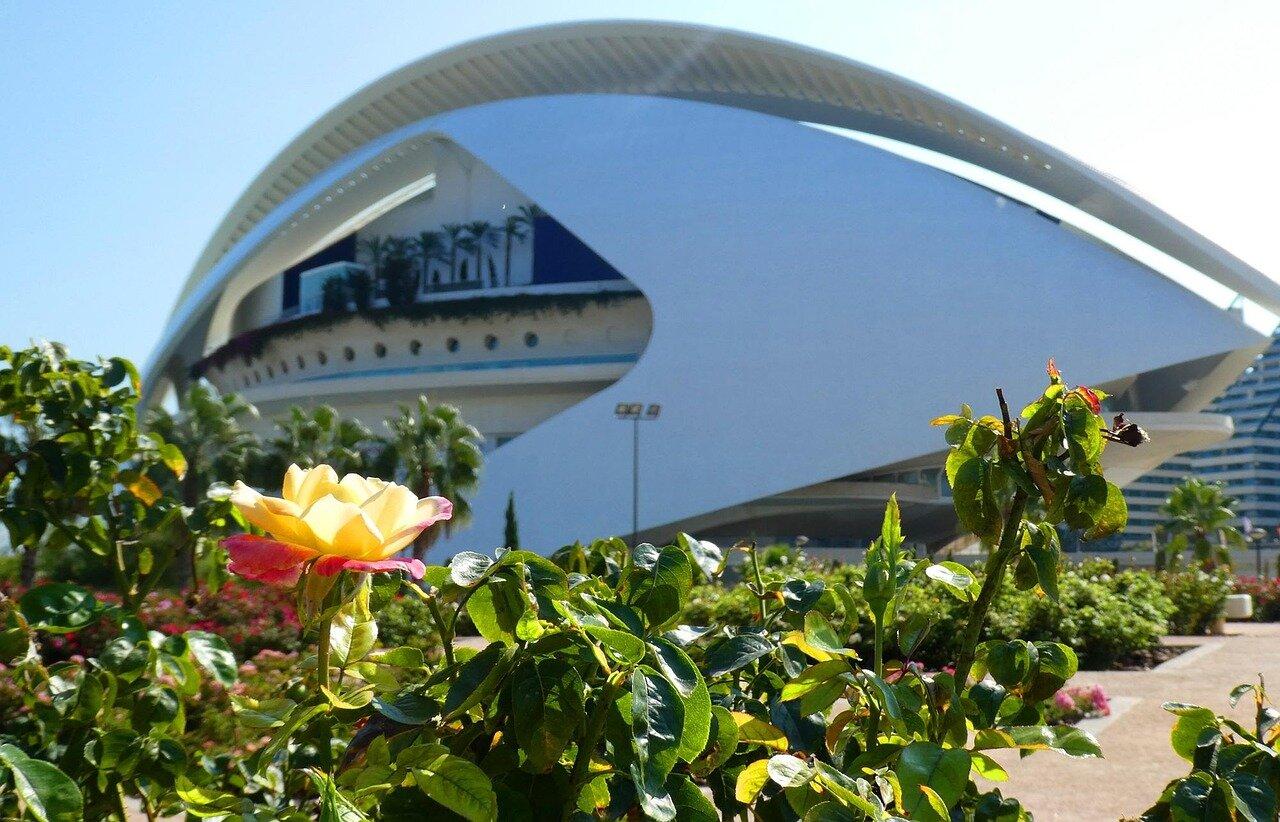
The Calatrava buildings at the end read perfectly well from outside, and you do not need a ticket to each one. If the aquarium or the science museum genuinely matters to you, give it half the day and cut the old-town programme instead. A multi-attraction ticket is poor value when you have time for exactly one venue.
Valencia's transport is not Barcelona's
Coming back from the Turia, take a bus, the metro where it helps, or a taxi rather than walking the whole distance a second time. Check bus details with EMT Valencia and compare the wider options in Visit Valencia’s local transport guide. Nothing you bought in Barcelona applies here.
In summer heat, push the long outdoor section to early morning or the end of the afternoon and put an indoor visit in the middle. During heavy rain or an official weather warning, follow local instructions and stay out of the riverbed; a museum and a long lunch replace the gardens without spoiling anything.
Departure morning stays near the hotel
Breakfast, one more square, or the market if the day and the timetable agree. Do not schedule a beach run before a midday train. Collect the luggage with enough time for the right station transfer, and check the ticket again before you tell a taxi driver where you are going — the two terminals catch people out in both directions.
If you are returning to Barcelona, keep a later feasible train in mind and check whether your fare allows the change. If a flight follows, build a much larger buffer than feels necessary.
Related guides
- Alquézar from Lleida: A Two-Night Aragón Road Trip
Drive from Lleida to Alquézar for two nights, balancing the Vero walkways, collegiate church, village meals and weather-dependent bookings.
- Barcelona to Toulouse: Train or Coach for Two Nights?
Compare train and coach journeys from Barcelona to Toulouse, then shape a two-night stay around arrival, the city centre and a calm return.
- Barcelona to Avignon by Train: A Two-Night Extension
Build a worthwhile two-night Avignon rail extension with protected connections, the right station and one full day inside the walls.
Are you in the know?
Receive new articles, local updates, and occasional offers from selected partners. We never share your email address. Unsubscribe at any time.
By subscribing you agree to our privacy policy.