Beyond
Barcelona to Toulouse: Train or Coach for Two Nights?
Compare train and coach journeys from Barcelona to Toulouse, then shape a two-night stay around arrival, the city centre and a calm return.
Toulouse is close enough to Barcelona to feel like a weekend and far enough that the journey is the decision. There is no high-speed line between the two cities: you either take a rail itinerary with a connection on the French side, or you sit on a direct coach for most of a working day. Rail hands you back the afternoon. The coach hands you back roughly a hundred euros per couple, which buys a better room or two good dinners.
Two nights give you one complete day in the city — Saint-Sernin, Capitole, the Garonne — and that day is the whole point. Decide the transport first, then the hotel.
- Rail: Fastest journey around 3 hours 47 minutes, with sample one-way fares from €66 at the time of checking. More room to move, but the interchange needs reading.
- Coach: Fastest journey around 5 hours 20 minutes, with advertised fares from €20.98 at the time of checking. Cheaper, longer in the seat, more exposed to road delays.
- Stay: Two nights near the centre or Matabiau, giving one full walking day with no second journey attached.
Those benchmarks come from the SNCF route page and FlixBus's route information. They are best-case, availability-dependent examples rather than fares you are guaranteed to find on your dates.
Narbonne is the part of the rail ticket that matters
Search Barcelona-Sants to Toulouse-Matabiau for real dates rather than trusting a headline duration. The workable options run up the cross-border corridor and change trains, most often at Narbonne. Open the itinerary detail and find three things: the interchange station, the connection allowance, and whether the legs are sold as one protected journey.
That last point is the one that costs money. A through ticket puts the operator on the hook if the first leg runs late; two separate tickets put you on the hook, and a thirty-minute gap that looks generous on screen stops looking generous the moment a delay arrives.
At Sants, allow for the departure process and luggage screening — 30–45 minutes before departure is a sensible first-time margin, adjusted to the operator's boarding instructions. Save the connection details offline instead of assuming you will have signal while working out which platform you need in Narbonne.
If anyone in the party needs assistance, arrange it for both legs and the interchange separately. A journey that is comfortable once you are seated can still be the wrong choice if the transfer is tight or involves stairs.
Compare Barcelona–Toulouse rail options for your intended day, and read the interchange and ticket conditions before paying.
The coach ticket picks your Barcelona stop, not the city
FlixBus uses more than one Barcelona-area stop, and Estació del Nord is not the same place as a kerbside stop near Sants. Go to the address printed on your ticket rather than to the station where trains happen to leave from; this is the single most common way to miss a cheap coach.
At the far end, the route information puts arrivals around Pierre Sémard and Matabiau, which can make the final walk to a hotel very similar to a rail arrival. Check the specific service you booked, though — a route's general city page is not a promise about every departure on it.
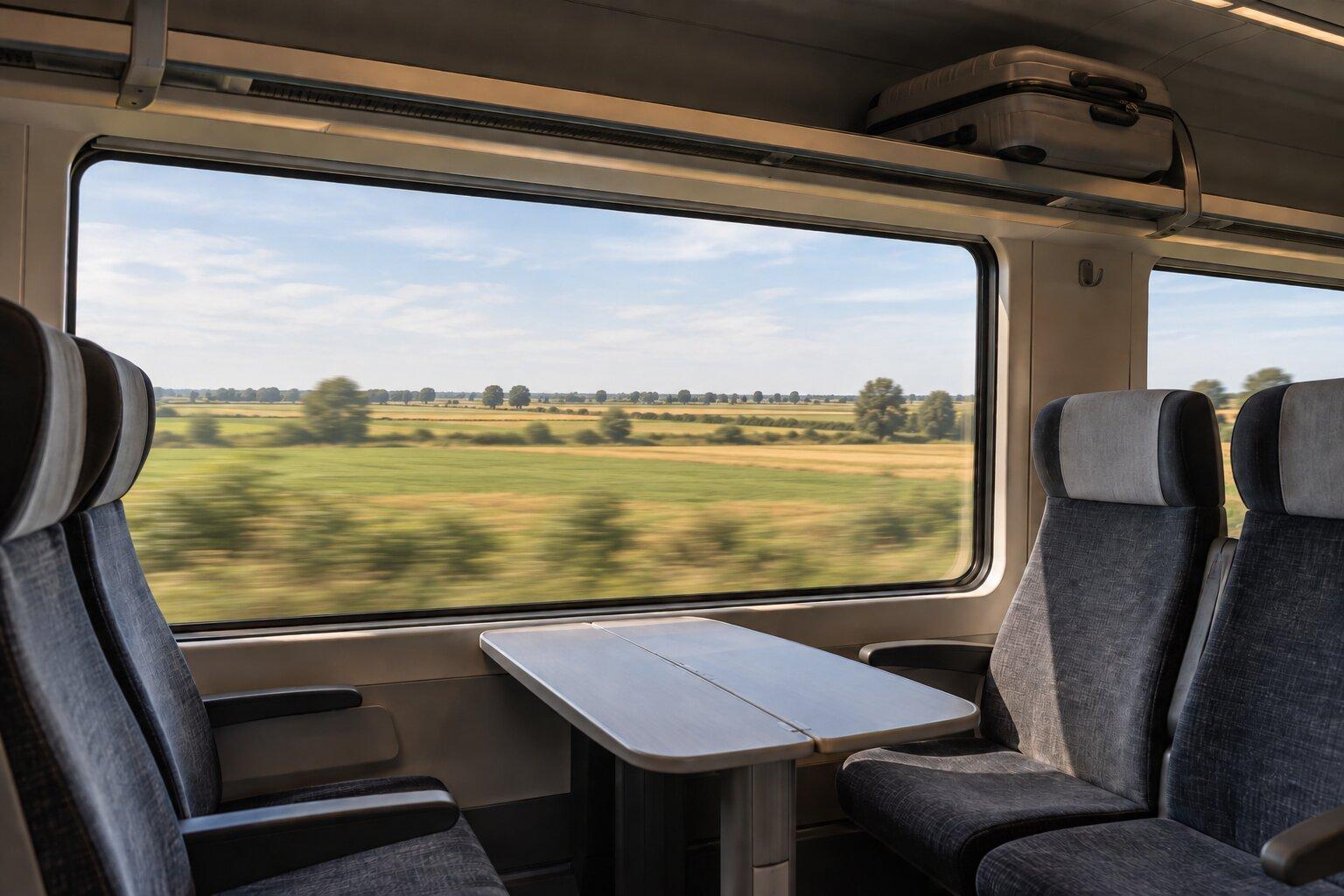
Pack for a long sit: water, a layer, food you actually want to eat. Read the luggage allowance before you leave, particularly for anything larger than a standard holiday case, and keep medication and documents in the bag that stays with you rather than in the hold.
Take the coach if the fare difference matters more to you than the extra hours. Take the train if an early departure would leave most of the first afternoon free in Toulouse, because that afternoon is a third of what you came for.
Matabiau for the luggage, Capitole for the evening
A room near Matabiau makes both ends of the trip easy. A room nearer Capitole puts you in the middle of the evening — pink brick, terraces, restaurants — at the cost of a slightly longer walk with a suitcase. For two nights either works, and the specific walking route matters more than which neighbourhood sounds better on paper.
Allow €90–150 per room per night as an opening mid-range figure, then replace it with real offers. Confirm late check-in if you are arriving by coach in the evening; a staffed reception is worth a small premium on the night a delay turns up, when the alternative is a keybox and a phone number.
Near Matabiau, ask specifically about street noise and lift access to your floor. Both matter more than usual when you arrive at ten at night with bags.
One full day: Saint-Sernin, Capitole and the river
Start at Saint-Sernin, work south towards Capitole, and reach the Garonne after lunch. The tourism office's central walking itineraries string the main monuments together and make a good spine for a compact route; expect 4–6 km spread across the day, with plenty of places to sit.
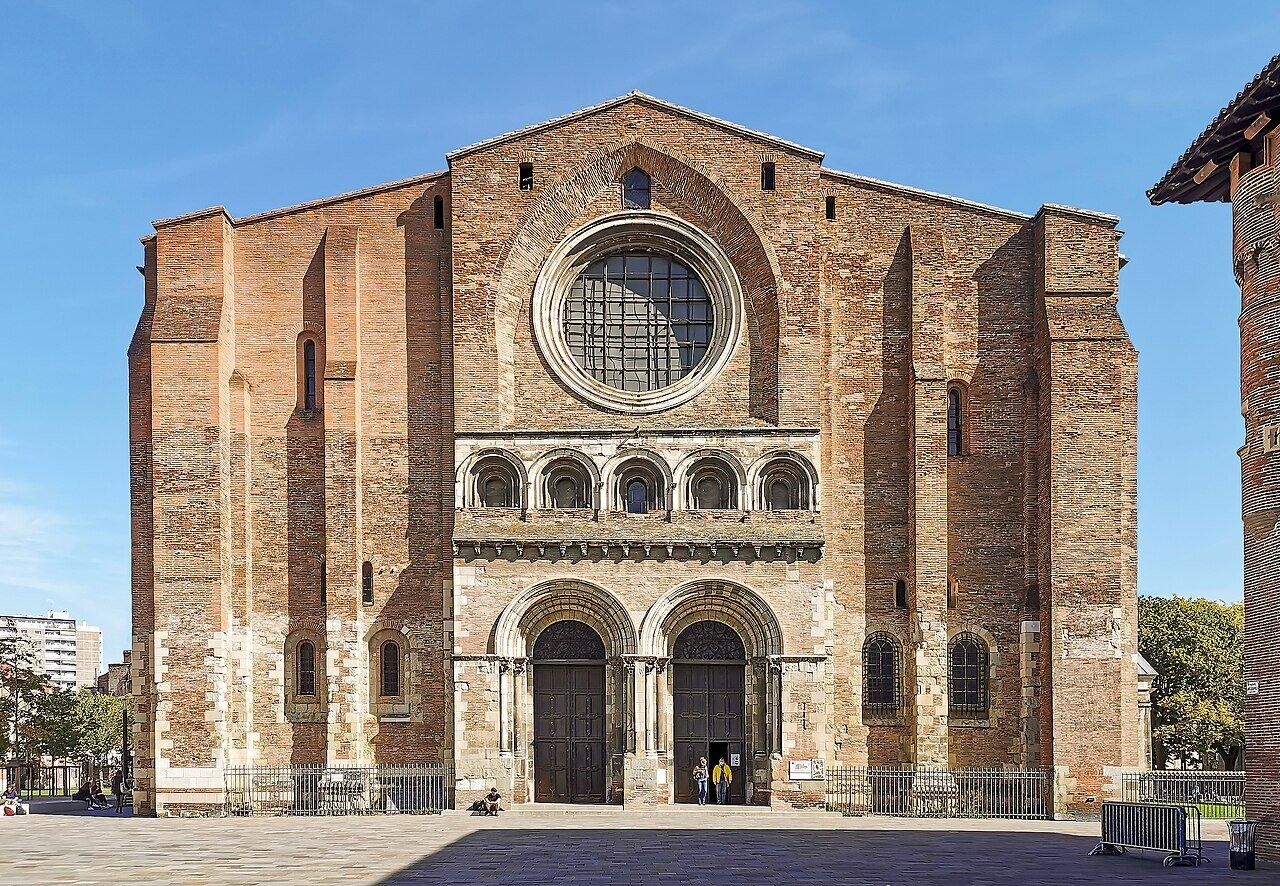
The official Saint-Sernin guide sets up a focused first visit. It is the largest surviving Romanesque church in the country and it is built almost entirely of brick, which gives the interior a warmth that stone equivalents never have. Pick one part of it — the ambulatory, the crossing, the tiered apse from outside — and look properly, instead of trying to exhaust the building before lunch. Services are part of its working life; plan around them rather than through them.
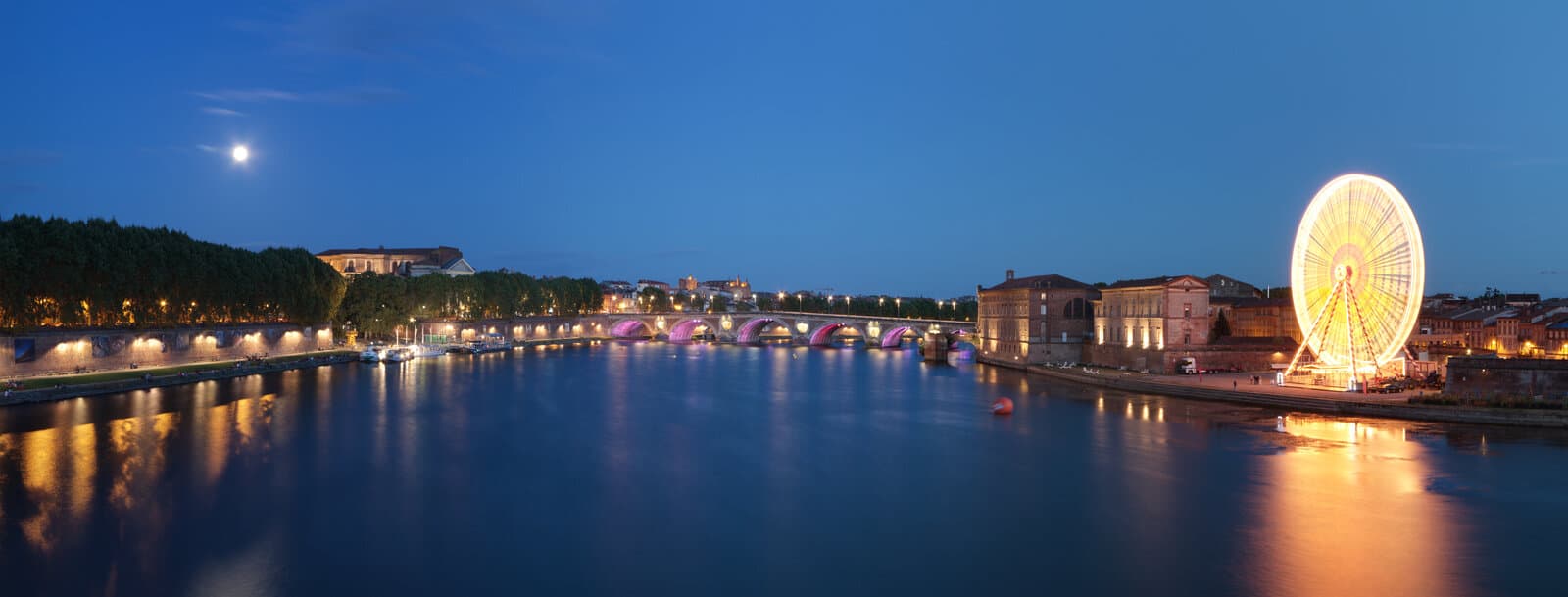
At Capitole, allow for civic events occasionally closing the interior. The square and the surrounding streets still carry the middle of the day perfectly well. Head down to the Garonne when the weather is reasonable — the view from Pont Saint-Pierre towards the Hôtel-Dieu is the one that stays with people — and in heavy rain swap in an indoor visit from the tourism office's list.
One rhythm change to respect: French kitchens close earlier than Catalan ones. Turning up at 14:30 expecting a Barcelona lunch hour will get you a shrug. Eat inside the advertised service window, keep a simpler fallback in mind, and reserve dinner if a particular kitchen is part of the plan.
Budget from the ticket you actually bought
For two adults, an indicative two-night total runs €450–750 travelling by coach or €600–950 by rail, driven mostly by the fare and the room. That range covers a modest hotel, meals and some incidental spending — not tasting menus or a full ticket programme.
Carry the travel document appropriate to your nationality. The border is invisible from a train window and the identification requirement is not, so keep documents accessible rather than in a case in the hold.
If a rail connection fails, talk to the operator before buying a replacement ticket; you may already be covered. If an evening coach runs late, call the hotel rather than arriving unannounced. And keep departure morning close to Matabiau — the temptation to add one more thing before a five-hour journey rarely survives contact with the journey.
Related guides
- Alquézar from Lleida: A Two-Night Aragón Road Trip
Drive from Lleida to Alquézar for two nights, balancing the Vero walkways, collegiate church, village meals and weather-dependent bookings.
- Barcelona to Valencia by Train: A Two-Night Extension
Extend Barcelona with two nights in Valencia by train, combining the old town, Central Market and Turia while keeping transfers manageable.
- Barcelona to Avignon by Train: A Two-Night Extension
Build a worthwhile two-night Avignon rail extension with protected connections, the right station and one full day inside the walls.
Are you in the know?
Receive new articles, local updates, and occasional offers from selected partners. We never share your email address. Unsubscribe at any time.
By subscribing you agree to our privacy policy.